The best digital business card for your sales team is the one that captures leads reliably, scales easily, stays secure, and keeps long-term costs predictable. Most platforms rely on monthly subscriptions that compound as your team grows. eylet removes that burden with a one-time purchase model — no subscriptions and no app fees — which keeps total cost of ownership stable as headcount increases.
Why sales departments now rely on digital business cards
Sales workflows changed fast over the past few years. In-person meetings returned, but expectations shifted. Buyers want fast, contactless exchanges. Sales leaders want trackable engagement. And finance teams want predictable costs.
Digital business cards now sit at the intersection of networking, lead capture, analytics, and brand control. For revenue teams, they are no longer a replacement for paper cards. They are a lightweight sales enablement tool that supports modern selling.
The real question is no longer whether your team should use digital business cards. It is which platform fits your growth model.
What sales departments actually need (not marketing features)
1) Reliable lead capture
Sharing a profile link is easy. Capturing structured lead data is harder. Your digital business card platform should convert taps and scans into usable leads, not just profile views.
Look for built-in lead capture forms, notes, tagging, and export options. This helps reps follow up quickly and helps managers track conversion quality.
2) Central team management
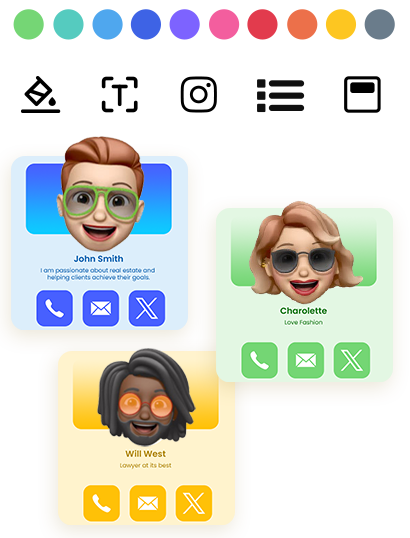
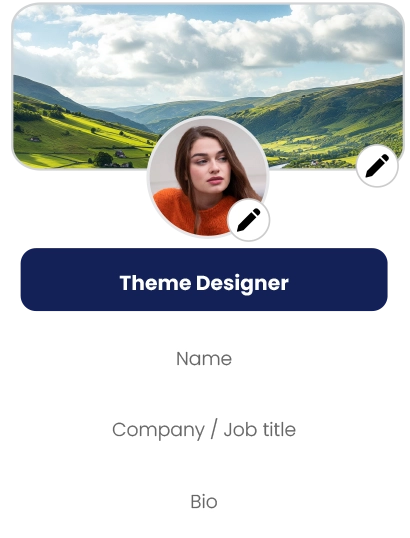
Sales organizations need consistency. Job titles, logos, contact links, and messaging must stay aligned. A good platform lets admins control templates, manage users, onboard new reps quickly, and revoke access when someone leaves.
3) Engagement analytics
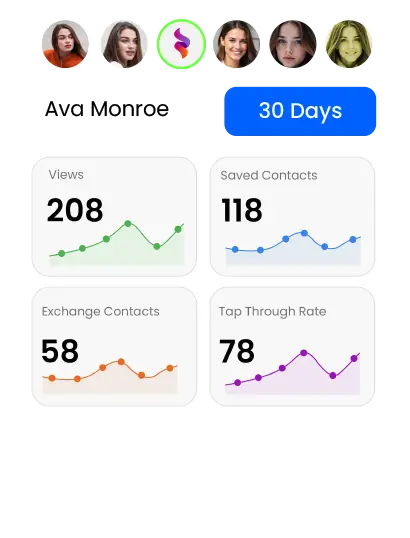
At a minimum, your system should show views and link clicks. Better systems provide team-level insights that show which reps, campaigns, or events drive engagement.
4) Security and access control
Sales teams handle sensitive contact data. Your platform should support role-based access, clear ownership rules, and admin controls so information stays inside your organization.
5) Scalability without cost shock
This is where many platforms fail. Subscription pricing looks fine at five users. At twenty-five or fifty, it becomes a recurring expense that is hard to justify for a tool used at events and meetings.
Modern digital business cards now act as lightweight networking tools for sales professionals. Instead of only sharing contact information, they support lead generation, contact capture, lead management, contact management, structured lead capture forms, and automated follow-up workflows.
For growing organizations, built-in team management, user management, and a centralized admin dashboard make it easier to control access, maintain brand consistency, and track team performance across regions and field sales teams. This shift explains why digital profiles are increasingly replacing business card scanner workflows and manual contact exchange.
Total cost of ownership: the real decision factor
Most digital business card platforms charge per user, per month. That turns a simple networking tool into an ongoing operating cost.
eylet follows a different approach:
One-time purchase. No subscriptions. No app fees.
This changes how your costs behave as your team grows.
Subscription pricing compounds with headcount
Subscriptions are simple at 5 users and painful at 50. Every new hire increases your monthly bill, and that cost repeats every month. A one-time purchase model avoids this compounding effect and makes budgeting easier for sales leaders and finance teams.
3-year cost comparison example
How we calculated the 3-year cost comparison
Most digital business card platforms charge between $7–$15 per user per month. To keep the comparison fair and conservative, we used the lower end of industry pricing.
Example calculation:
$8 × 12 × 3 × 10 users = $2,880 over 3 years
Actual costs vary by vendor, plan, and features. This comparison reflects realistic industry pricing for business-grade digital business card platforms and keeps estimates intentionally conservative.
With subscription platforms, spend increases every time your team expands. With eylet, cost remains fixed.
This difference compounds year after year, which is why eylet is a strong total cost of ownership choice for growing sales teams.
Feature comparison that matters for sales teams
Functionally, most platforms offer similar sharing and analytics features. Commercially, eylet removes the biggest long-term cost driver: recurring subscriptions.
Why eylet fits real sales workflows
eylet is built for fast exchange, team control, and predictable costs. It is designed for sales teams that want reliable lead capture without turning a basic networking workflow into a permanent subscription expense.
Designed for speed
Your prospect taps or scans. The profile opens in their browser. No app installs. Less friction. Better completion rates at events and meetings.
Built for teams
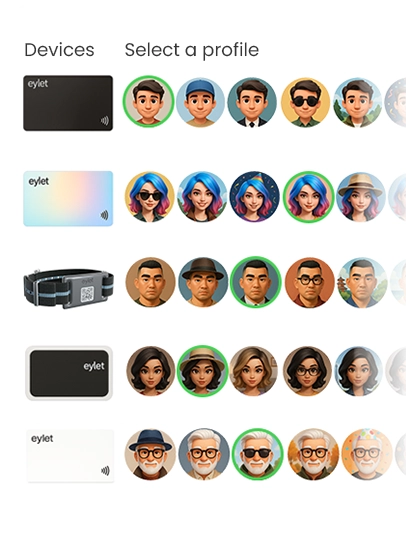
Central templates, admin controls, and structured lead capture support consistent rollout across sales teams, marketing teams, and field sales teams.
Optimized for long-term growth
By removing subscriptions and app fees, eylet keeps costs stable even as headcount grows. That reduces procurement friction and makes forecasting simpler.
How to choose the right platform for your team
Use this simple decision framework:
Choose eylet if:
- You want zero recurring costs
- Your team is growing
- You want simple deployment with no app installs
- You need team templates and centralized control
- You want predictable long-term spending
Subscription platforms may fit if:
- You require deep enterprise identity integrations
- You operate inside large SaaS-driven ecosystems
- Monthly recurring costs are not a concern
For most sales teams, simplicity, cost control, and scalability outweigh complex enterprise integrations.
NFC digital business card buying checklist for sales teams & business owners
- Define your workflow: events, field sales, account management, or inbound leads.
- List must-have features: lead capture, analytics, admin control, and exports.
- Calculate the 36-month cost using your projected headcount.
- Pilot with 5–10 reps for one sales cycle.
- Scale once results are proven.
FAQ
What is a digital business card?
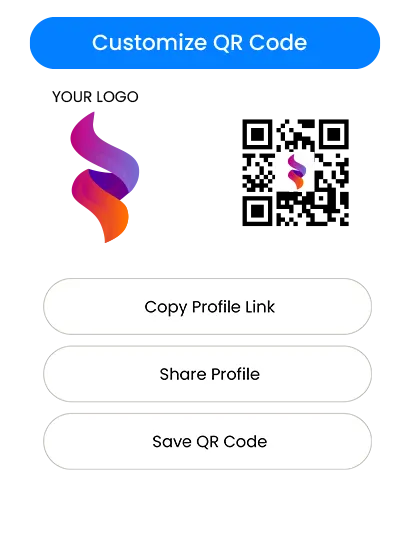
A digital business card is a web profile you share through NFC, QR code sharing, or a direct link. It supports contact exchange and lead capture without printing new cards.
Do digital business cards replace business card scanners?
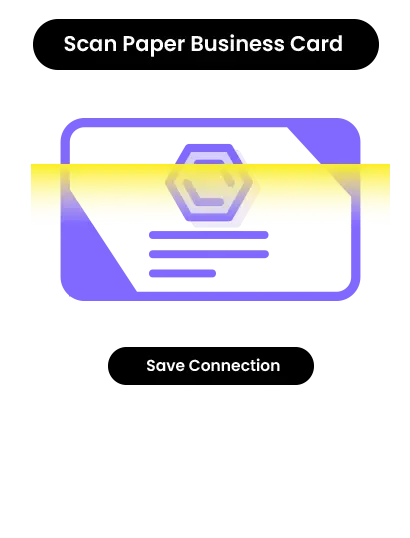
Yes. Digital profiles reduce manual data entry by collecting lead details directly through contact capture and lead capture forms, instead of scanning paper cards.
Do sales teams need lead management and contact management features?
Sales teams benefit when a digital card helps organize leads after meetings. Useful features include lead management fields, notes, tags, and export options so follow-up stays consistent.
What is an admin dashboard in a digital business card platform?
An admin dashboard is where managers handle team management and user management. It helps control templates, branding, access, and team performance reporting.
What should you check before buying for a team?
Check lead capture reliability, admin controls, analytics, security, and the 36-month cost. If a tool is subscription-based, calculate the total cost as headcount grows.
Why do teams choose a no-subscription model?
A no-subscription model avoids compounding per-user costs. For growing teams, it keeps total cost of ownership predictable over multiple years.
Next steps
If you're evaluating digital business cards for your sales team, start here:
These pages will help you quickly decide if eylet matches your sales workflow and growth plans.